As regulatory momentum accelerates around new approach methodologies (NAMs), toxicology and safety teams are under growing pressure to adopt new technologies without increasing risk.
This webinar examines the scientific and regulatory forces reshaping safety assessment and what they mean for real-world decision making today. Gain perspective on how leading organizations are navigating this transition and what differentiates NAM platforms that can withstand regulatory scrutiny.
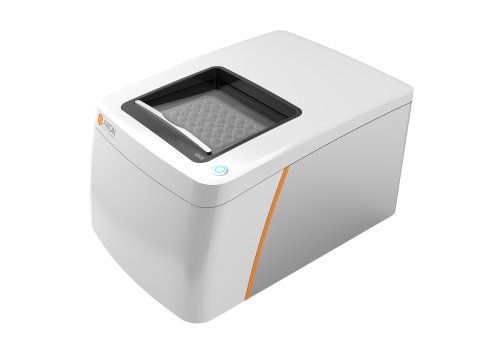
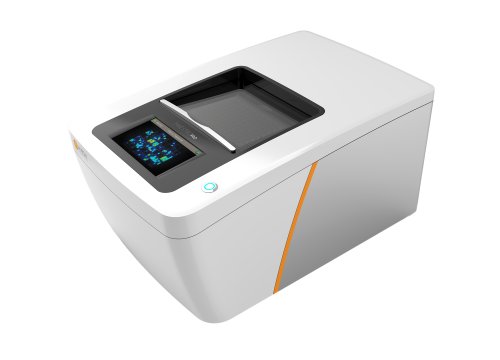
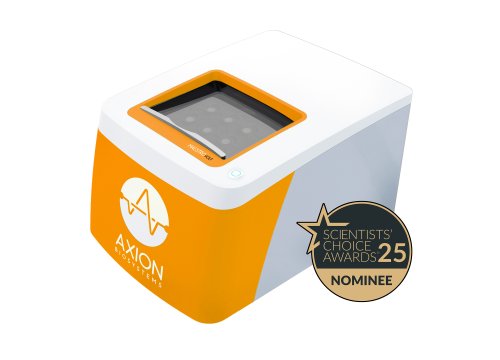
Through real-world context and industry examples, the session highlights how a regulatory-aligned approach such as Maestro MEA can support confident, future-ready safety strategies while reducing uncertainty during adoption.
About the presenter:

Mike Clements, PhD
SVP Scientific Partnerships & Strategy
Dr. Mike Clements is the Senior Vice President for Scientific Partnerships & Strategy at Axion BioSystems, where he is focused on initiatives advancing the use of human stem cell-derived models in drug discovery and toxicology. He earned his PhD in neuropharmacology from the University of Oxford, with postdoctoral training in the UK and the US.
In 2014, Dr. Clements published the first study utilizing the Maestro multielectrode array (MEA) system with stem cell-derived cardiomyocytes, demonstrating their potential as predictive tools for preclinical cardiac safety screening, which would later help inform the Comprehensive in vitro Proarrhythmia Assay (CiPA) initiative. He was also the editor of Stem Cell-Derived Models in Toxicology, a resource that reviewed next-generation in vitro toxicology platforms. Dr. Clements previously served as president of the Stem Cells Specialty Section of the Society of Toxicology.
Webinar Transcript
Moderator (Dr. Stephen Gibney):
Hello, and welcome to the latest Technology Networks webinar: "NAMs' inflection point: Building a future-proof safety strategy with Maestro multi-electrode array". I'm your moderator, Dr. Stephen Gibney, Senior Science Writer for Technology Networks. I'm excited to be here to host today's session.
We have a fantastic speaker, Dr. Mike Clements, who is sharing some of his valuable insights with us. Mike is the Senior Vice President for Scientific Partnerships and Strategy at Axion BioSystems, where he is focused on initiatives advancing the use of human stem cell-derived models in drug discovery and toxicology. He earned his PhD in neuropharmacology from the University of Oxford, with postdoctoral training in the UK and the US. In 2014, he published the first study utilizing the Maestro multi-electrode array system with stem cell-derived cardiomyocytes.
This demonstrated their potential as predictive tools for preclinical cardiac safety screening and would later help inform the Comprehensive In Vitro Proarrhythmia Assay initiative. Mike was also the editor of Stem Cell-Derived Models in Toxicology, a resource that reviewed next-generation in vitro toxicology platforms. Mike has also previously served as President of the Stem Cell Specialty Section of the Society of Toxicology.
After his presentation, we'll have a short Q&A session, and we encourage you to submit your questions at any point during the presentation. To do so, just type the question in the box on the right-hand side of the screen and click send. We'll do our best to address as many questions as we can in the time we have available today. If you encounter any technical difficulties during the webinar, just click the chat box on the right-hand side of your screen to request assistance from our support team.
Without further introduction, I'll now hand over to our speaker.
Mike, over to you.
Mike Clements, PhD (Presentation):
Many thanks for the introduction, and thank you everyone for joining. Today we're going to talk about new approach methodologies, NAMs, and why this moment represents a real inflection point for safety organizations. Importantly, this isn't a technical deep dive. It's a strategic conversation about readiness, risk, and confidence, and what leaders should look for as NAMs move into regulatory-facing workflows.
The term NAMs is everywhere right now, but there's a disconnect. Many people still think of NAMs as exploratory models, interesting science, but years away from real decision-making. What I want to show you today is that perception is outdated. NAMs have moved from concept to reality, and that shift is already affecting how safety decisions are being made.
So here's the central idea I want you to keep in mind throughout this talk: The question is no longer if NAMs will be used; the real question, especially for leaders, is which NAMs platforms are already proven, validated, and ready to stand up to scrutiny.
Everything else I cover today is evidence in support of that statement.
So before we go any further, I need to define the term NAM. NAM stands for new approach methodology, but you'll also see non-animal methods sometimes used. I think this definition from the U.S. Environmental Protection Agency is a useful one. NAMs are defined as any technology, methodology, approach, or combination that can provide information on chemical hazard and risk assessment to avoid the use of vertebrate animal testing. Examples of NAMs are in vitro tests or assays, in chemico assays, and in silico algorithms. In vitro studies are experiments that use human or animal cells.
That's an important point: a NAM can use animal cells.
In chemico studies are experiments that do not use any human or animal cells, but simply evaluate how a chemical interacts or reacts with certain materials.
Finally, in silico is the term used for computer-driven predictive tools. So if NAMs are no longer a future concept, the next logical question is why this is happening now. The shift isn't being driven by a single regulation or a single breakthrough. It's the result of multiple forces converging at the same time.
On the push side, drug discovery is inefficient, late-stage failures are costly, and animal models don't reliably predict human outcomes. On the pull side, human-relevant in vitro models are now demonstrating real predictive value. Together, these forces create acceleration, and that's what defines an inflection point. It's also important to understand that this didn't happen overnight.
Regulatory engagement with NAMs has been building quietly for more than a decade through initiatives like HESI, CiPA, and other FDA-led validation studies. The FDA Modernization Act in 2022 didn't start the shift. It acknowledged that the science had matured, and since then we've seen the NIH, EPA, and international agencies move decisively in the same direction. So let's unpack that last part.
In December 2022, the FDA Modernization Act 2.0 was enacted into U.S. law, marking a major change in how the FDA evaluates drugs before human clinical trials. This removed the mandatory requirement for animal testing for drugs and biologics and authorized modern non-animal testing methods. The Act explicitly allows the FDA to accept NAMs as evidence of safety and effectiveness. It gave the FDA and drug developers regulatory flexibility to use the most scientifically appropriate evidence.
There are several misconceptions worth clearing up: Regulators didn't lower the bar. Animal testing wasn't banned. Safety standards didn't change. What changed is how evidence can be generated and which tools are considered acceptable.
Regulators are giving industry flexibility, but only where the science supports it. When you step back and look at this timeline, what's striking isn't just the number of announcements, it's the pattern. Regulators aren't stepping back from safety, they're stepping into validation, and that changes the risk profile for industry. Here's the key implication for leadership teams: by participating directly in evaluating NAMs, regulatory agencies are actively reducing adoption risk for industry. Which brings us back to the central question: which platforms are actually ready for adoption at scale?
At the leadership level, an adoptable NAM platform has to be predictive, reproducible, scalable, and defensible internally and externally. Without those characteristics, adoption stalls. And this explains why NAM adoption hasn't been faster. The hesitation wasn't philosophical, it was practical. Inconsistent data, lack of standards, throughput challenges, and regulatory uncertainty made leaders cautious, and rightly so. What's changed is platform maturity. We now have FDA- and EPA-tested assets, shared data sets, standardized workflows, and broad industry adoption.
For leaders, this isn't just a scientific shift, it's about avoiding late-stage failures, reducing unnecessary animal work, and making earlier, more confident decisions. And so the natural question becomes: what does a validated NAM actually look like in practice?
Rather than talk about Axion BioSystems' Maestro as a platform in the abstract, I want to ground this in two concrete examples where NAMs have already crossed the line from experimental to operational.
The first is cardiac safety assessment, an area where the cost of getting it wrong is high and where regulators have been deeply involved in defining what better prediction should look like. Since 1989, fourteen drugs have been withdrawn worldwide due to torsades de pointes, or TdP, a rare but potentially fatal ventricular arrhythmia that can lead to sudden cardiac death. It's characterized by a rapid heart rhythm originating from the ventricles, QRS complexes that change shape and appear to twist around the ECG baseline, and an underlying long QT interval. To mitigate risk of developing potentially proarrhythmic drugs, the International Council for Harmonisation, ICH, issued two guidelines in 2005, S7B and E14. E14 is the ICH clinical guideline that explains how to evaluate whether a drug prolongs the QT/QTc interval and increases proarrhythmic risk in humans.
Its counterpart, S7B, is the nonclinical safety pharmacology guideline. In plain terms, it tells drug developers how to assess whether a new drug might delay cardiac repolarization and prolong the QT interval, which can increase the risk of dangerous heart rhythm disturbances such as TdP. S7B's objective is to identify a drug's potential to cause delayed ventricular repolarization early in development using preclinical studies so that clinical risk can be better managed. S7B recommended evaluating the risk through two tests:
- In vitro assays of IKr hERG potassium channel block. IKr inhibition is strongly associated with QT prolongation.
- In vivo QT prolongation studies in animals, typically in beagle dogs. These measures have reduced the likelihood of drugs with hidden TdP liability reaching the market.
However, these tests focus on surrogates, QT prolongation and hERG block, not the mechanism that actually causes arrhythmia, and so there are concerns that overemphasis on these endpoints may have hindered safe, effective drugs from reaching the market. Human induced pluripotent stem cell-derived cardiomyocytes have been proposed as a better model for predicting proarrhythmia because they capture human-relevant integrated cardiac electrophysiology in ways that traditional assays cannot. The argument is not that they replace the established models, but that they address key blind spots in the older approaches.
Human iPSC-derived cardiomyocytes express multiple interacting ion channels simultaneously and possess many of the structural and functional aspects of cardiomyocyte cell biology, thereby providing a systems-based model for a systems-based problem. Because arrhythmias arise from disturbed electrical conduction in the heart, Axion BioSystems' Maestro multiwell MEA system is an ideal platform to pair with human iPSC-derived cardiomyocytes for assessing proarrhythmic risk. In the human iPSC cardiomyocyte MEA proarrhythmia assay, the cardiomyocytes are cultured on plates containing microelectrodes, allowing noninvasive recording of electrical activity following drug exposure. The assay measures changes in field potential duration, FPD, a QT-like surrogate, beat rate, conduction, and rhythm.
Together, these measurements provide a direct functional readout of cardiomyocyte electrophysiology and key endpoints relevant to proarrhythmia risk. The Comprehensive In Vitro Proarrhythmia Assay initiative, also known as CiPA, was a global FDA-led public-private initiative launched in 2013 to improve prediction of drug-induced TdP by moving beyond the traditional hERG and QT prolongation paradigm. To do this, CiPA proposed a mechanistic integrated framework with four pillars to verify integrated cellular effects:
- multi-ion channel pharmacology with human cardiac ion channels
- in silico human ventricular models
- early clinical ECG analysis
- human iPSC-derived cardiomyocytes
The human iPSC-derived cardiomyocyte arm was designed as a biological reality check to confirm whether predicted risks manifest as arrhythmia-like behavior in human cells for the in vitro cardiomyocyte pillar.
It is therefore unsurprising that the MEA assay was selected as the platform of choice, as it offers a direct and integrated readout of cardiomyocyte electrophysiology. Two multicenter CiPA studies involving pharmaceutical companies such as BMS, Eisai, Genentech, and J&J confirmed that the human iPSC cardiomyocyte MEA assay can detect delayed repolarization and arrhythmia-like events linked to TdP risk. These CiPA findings directly informed the ICH E14/S7B questions and answers that were published in 2022, which recognized human iPSC-derived cardiomyocyte data as supportive evidence for proarrhythmic risk evaluation.
So what happened next? Let's look at how these preclinical validation studies have impacted IND submissions.
An investigational new drug, or IND, is a regulatory application submitted to the U.S. FDA that allows a sponsor to begin clinical trials in humans with a new drug or biologic that has not yet been approved. A recent study by authors at the FDA, which is currently under review at the British Journal of Pharmacology, highlighted that between 2012 and 2023, 99 IND submissions were submitted to the FDA CDER with human iPSC-derived cardiomyocyte studies, and 22 of these utilized the MEA assay.
Concordance analysis showed that human iPSC-derived cardiomyocyte data correlated closely with clinical QT outcomes, achieving overall accuracies of between 0.8 and 0.9 compared to 0.5 for hERG, 0.6 for multi-ion channel, and 0.7 to 0.8 for animal studies.
Notably, human iPSC-derived cardiomyocytes predicted every instance of grade 3 QT prolongation observed in the clinic and, in some cases, outperformed in vivo dog QT assessments. The study further demonstrated that using human iPSC-derived cardiomyocyte data in combination with other in vitro assays reduced nonclinical QT false negatives and provided predictive value comparable to multiple animal studies.
Furthermore, now more than 12 contract research organizations offer the CiPA-style human iPSC cardiomyocyte MEA assay as a service using Axion BioSystems' Maestro Pro MEA system. What's striking is how this has played out in practice. Human iPSC cardiomyocyte MEA data is not mandatory, but it's being voluntarily included in IND submissions, and CROs are offering it as a standard service. No one is being forced to use this data, which tells me it's delivering value.
The FDA now offers a qualification pathway for NAMs. In 2020, the FDA launched the Innovative Science and Technology Approaches for New Drugs, or ISTAND, program. This is an FDA program that supports the development of novel drug development tools such as microphysiological systems, also known as organs-on-a-chip, artificial intelligence-based (AI) algorithms, and other innovative technologies not covered by existing qualification programs. The program's goal is to qualify these new technologies to facilitate drug development and streamline the review process, ultimately helping to bring safe and effective new medications to patients faster.
Axion BioSystems submitted a letter of intent to the FDA in September 2025 for the human iPSC cardiomyocyte MEA assay to be accepted into the ISTAND NAMs qualification program. I'm pleased to say that our submission was accepted into the ISTAND program in December 2025. We will be sure to keep you updated with our progress through the qualification process.
Cardiac safety is one of the clearest examples of how a NAM can earn regulatory and industry confidence. Neural safety presents a very different challenge, but the underlying question is the same: can we predict human risk better than we do today? Drug-induced seizure liabilities have led to significant compound attrition during drug discovery and have resulted in the withdrawal of several drugs from the market. The identification of seizurogenic effects earlier in the drug discovery process would allow more favorable candidates to be selected before the start of costly preclinical in vivo studies. There is no ICH guideline dedicated specifically to seizure liability.
Seizure risk is evaluated under ICH S7A as part of CNS safety pharmacology using a risk-based, case-by-case approach. Seizure detection is primarily performed in rodents. These in vivo animal studies rely largely on observing behavioral signs such as tremors or abnormal movements, but seizure liability is difficult to detect. Animal behaviors are subjective, and low doses often miss seizure risk entirely. Seizures are caused by abnormal, excessive, and synchronized neuronal firing, not by a single molecular event.
Understandably, the MEA assay has emerged as a popular technique for screening seizure liability because it directly records electrical activity across neuronal networks. Rat primary cortical neurons have, until recently, been the favored model in this seizure liability MEA assay, because they rapidly form stable and reproducible excitatory-inhibitory networks that yield consistent drug-responsive bursting phenotypes. While the rodent MEA assay can still be considered a NAM based on the definitions provided by the FDA and EPA, the overarching goal of NAMs is to prioritize human-based systems.
One of the strongest motivations for human iPSC-derived neural models is the well-documented translational gap in CNS safety. Seizure thresholds, ion channel, and receptor expression differ by species. Advances in neural stem cell biology have increased interest in using the human iPSC-derived neural MEA assay for seizure liability prediction and for supporting regulatory decision-making.
The HESI NeuTox Research Consortium, founded in 2015, is focused on developing and validating translational biomarkers and NAMs, especially MEA-based neural assays, to improve prediction of neurotoxicity and seizure liability beyond traditional animal testing. This initiative mirrors the approach used in the CiPA initiative for proarrhythmia. Unlike CiPA, however, the results of the NeuTox study have yet to be published. To aid the adoption of this assay, Axion BioSystems is currently working with over 10 organizations across leading pharmaceutical companies and CROs to develop and publish a standard human iPSC neural seizure liability MEA assay.
Even so, more than 10 peer-reviewed papers have been published demonstrating the potential of the seizure liability Maestro MEA assay, and the authors include pharmaceutical companies such as AbbVie, AstraZeneca, BMS, Eisai, J&J, Merck, UCB, the EPA, and CROs such as ICON and Cyprotex. These studies are demonstrating the usefulness of this assay. For example, a recent paper by the pharmaceutical company Eisai demonstrated that seizure activity in the primary rat MEA assay could be used to predict the cerebrospinal fluid concentrations of some drugs in rats with convulsions. Furthermore, now more than 12 contract research organizations offer the human iPSC neural seizure liability MEA assay as a service using Axion BioSystems' Maestro Pro MEA system.
Up to this point, we've focused on NAMs that are already well established in safety workflows, particularly stem cell-derived cardiac and neural assays. It would be easy to assume that this means that the Maestro MEA system is optimized only for today's most mature models, but that's not the case. What defines Maestro MEA is not a specific cell type or assay format, but the ability to make reliable, reproducible measurements of human-relevant electrophysiological function. And that foundation carries forward as models become more complex. For example, as compartmentalized and microfluidic systems have emerged, the underlying question hasn't changed: can we measure functional biology in a scalable, standardized way?
In 2022, Axion BioSystems partnered with a microfluidics company, NETRI, to develop a microfluidic chip with integrated recording electrodes that can be used directly on the Maestro MEA system. This enables real-time electrophysiological recordings from individual chambers within the chip using the same acquisition and analysis workflows already familiar to users.
One application of this approach has been skin-on-chip models, where sensory neurons and keratinocytes are cocultured to study neurocutaneous signaling. Traditional skin models often fail to capture this interface, but electrophysiological recordings allow direct measurement of how these cell types communicate in response to stimuli. L'Oréal partnered with NETRI to codevelop a skin-on-chip platform designed to interrogate neuron-keratinocyte crosstalk via electrophysiology.
When human iPSC-derived sensory neurons were cocultured with human keratinocytes, stimuli evoked electrophysiological responses highlighting interactions relevant to itch, pain, and skin disorders, supporting the model's potential for use in therapeutic development. Importantly, this work did not require a new platform or a new validation philosophy. It extended existing trusted electrophysiological workflows into a more structured model format. Organoids are gaining attention because they capture aspects of human brain development, cellular diversity, and three-dimensional network formation that aren't accessible in simpler cultures. In some cases, patient-derived organoids can reveal disease-relevant network dysfunction that aligns closely with human pathology.
What's notable here is not the novelty of organoids themselves, but the continuity of functional measurement. Maestro MEA has been used to assess electrical activity in these models using the same core principles applied in 2D neural networks, measuring network behavior, synchrony, and recovery of function. In December 2025, Mahzi Therapeutics announced that the first gene therapy developed using patient-derived brain organoids had advanced to a Phase 1/2 clinical trial for Pitt-Hopkins syndrome.
In this work from Alysson Muotri's lab at UC San Diego, brain organoids generated from affected patients showed impaired electrical activity, and correction of TCF4 expression restored network function as measured using Maestro MEA technology. Again, the significance isn't that a new biological model required a new tool. It's that increasingly complex biology could be integrated using the same functional, reproducible electrophysiological framework.
Taken together, these examples reinforce an important point for leaders: as safety models evolve, the most valuable platforms are not those tied to a single assay or moment in time, but those where validation, workflows, and confidence carry forward. Maestro MEA isn't about predicting exactly which models will dominate in the future. It's about ensuring that, as expectations evolve, you're not forced to reset your platform decisions or your risk profile. That's what makes it a platform decision and not a bet on what's next.
So what are the takeaways? Hopefully I've convinced you that NAMs are no longer exploratory models. They're influencing real decision-making. And what ties all these examples together is the underlying platform. The Maestro MEA is the system supporting the validated NAM workflows, delivering the reproducibility, throughput, and data quality required for real decisions.
At this point, Maestro isn't a future bet, it's infrastructure already in use. A fair concern often comes up here: are we moving too fast? The key is context of use. NAMs aren't meant to recreate the whole animal; they're designed to have sufficient system-level complexity to answer a specific question better. Better science drives better decisions and fewer late-stage failures. Once you view NAMs this way, return on investment becomes clear. The return isn't novelty, it's better decisions earlier, fewer false positives, fewer late-stage surprises, and better alignment across teams.
When you put all of this together, the regulatory signals, the adoption patterns, and the validation work, three things become clear. NAM adoption is accelerating globally. Regulators are signaling what they trust, and Maestro MEA already meets those expectations. Many thanks for your attention today.
I hope you found this webinar useful. I'm happy now to take any questions. Alternatively, please feel free to email me, and we can continue the discussion. Thanks.
Q&A Session:
Question (moderator): Given the complexity of neuro cultures, how standardized and reproducible are seizure liability MEA workflows across labs?
Answer (Mike): That's a great question. There's a lot of interest in the seizure liability assay. As I touched on, there's been over 10 peer-reviewed publications with the Maestro system.
But it's true, if you compare it to the CiPA-style proarrhythmia cardiac assay, it's far less standardized, looking at things like the metrics recorded, the positive controls included, or even exposure times. And so that's actually a project that we're working on at the moment to try and help standardize that assay. We're working with 10 experts in safety pharmacology groups across pharma, CROs, and academia to help standardize that assay and, in doing so, hopefully set some kind of minimum acceptance criteria for the stem cell-derived models used in it. Well, hopefully that answers the question.
Question (moderator): How reliable is MEA technology when using organoids or other 3D models?
Answer (Mike): So, yeah, there's a lot of interest in organoids at the moment, and it's probably one of the fastest-growing applications on Maestro. Just thinking of some of the latest numbers that we've got at the moment, I think there's over 90 peer-reviewed publications with neural organoids, and I think over 15 now with cardiac organoids.
So the technology is definitely used with organoids, neural organoids and cardiac organoids, but these organoid structures are quite large. They can be up to 3 to 4 millimeters in size. And so, you know, MEAs to date are kind of planar. A lot of the requests that we've had are, can we record from more of the surface, or even different sides of the sphere? What we've been doing is developing new MEAs now that have flexible cantilever electrodes that allow the MEA to wrap around and record from more of the surface area. We launched a new product called 3DMap at the end of last year, and that's now in early adopters' hands. We're getting some good feedback.
So to answer the question, MEAs are used a lot for recording from neural organoids, but one of the things we're very conscious of is pushing the technology to make those recordings even better.
Question (moderator): All the data presented here has been acute studies, but has MEA been used in studies that look at long-term effects?
Answer (Mike): Yes, definitely, and that's actually one of the great advantages of the technology. So it's noninvasive. You can record with MEA from minutes to months and years on the same biology. And there's lots of great examples of that in the literature. I didn't focus on it today, but there was a nice cardiotoxicity paper recently from the Safety Pharmacology team at J&J where they looked at a hepatitis drug that had induced heart failure in patients and looked at some of the chronic effects of that drug and were able to demonstrate it in vitro, which was great.
This year, there was a recent paper from Amgen looking at knocking down hERG expression and the impacts of that on the cardiac field potential signal. And then, even if you move to the organoid models, there's a lot of interest in neurodevelopment, especially with organoids, and people record from neural organoids on the Maestro MEA for many, many months, even years. So I think that's one of the big advantages of the technology. But here, really, the focus was on those acute studies. And what advantages do human iPSC-derived neural networks provide over rodent seizure models in predicting human CNS liability? I would say probably human-relevant biology. That's the biggest advantage, things like human-relevant ion channels and expression levels. But there's also the very nature that these iPSC cells are manufactured, and so they can be produced at scale on a quality management system.
So in theory, you can have a consistent model that can be used across multiple sites within and across organizations. And really, one of the topics that we covered today was assay standardization and data comparison and reproducibility. So in theory, that's something that the stem cell-derived models will be able to help with.
Question (moderator): When sponsors include hiPSC-CM MEA data in an IND, how is it typically positioned alongside traditional QT and animal data?
Answer (Mike): That's a really good question. The short answer is, unfortunately, I don't know. We don't know. But the assumption is that the data, because it's not required, is being used to support the evidence that is required, like the hERG ion channel and the in vivo QT studies. So the assumption at the moment is that it's supportive.
Question (moderator): Is the NETRI microfluidics chip commercially available?
Answer (Mike): It is. So the example that I showed in the slides today is commercially available. You can find more information on the Axion BioSystems website, or you can go to the NETRI website itself, and you'll be able to see the different varieties of those microfluidic chips embedded with MEAs available on their website.
Question (moderator): Do you mind commenting more on the steps Axion BioSystems will take on the ISTAND qualification process?
Answer (Mike): So, yeah, that's another great question. We're at the very first stage of this process. So we've had a letter of intent accepted. The next stage is moving toward that qualification plan. That is a rather large and detailed process. I can't really share more of the details at this stage, but as we're working through that process, I'm sure we'll be able to give updates on our progress.
Question (moderator): Will these slides be shared or uploaded to the website?
Answer (Mike): I believe so. I think this is being recorded, so we can send out a link after this webinar and make sure that everyone has access to it.
Question (moderator): Can any of you use this to test single-cell membrane potential?
Answer (Mike): No. The thing is, if you think of patch clamp as single-cell work, really what we're interested in here is looking at network activity. So we can measure the field potential from a network of cells in the plate. But we're not really isolating individual cells and manipulating those individual cells. Really what we're trying to do is look at the response of drugs or perturbations on the network within the well.
Moderator (Closing):
All right, thanks. And I think that's all we have time for. So thanks everyone so much for joining the webinar today. If there are questions that anyone has that weren't asked, definitely feel free to follow up, and thanks again.
Thanks, everyone.