Author: Marilyn Silva
Human and Ecological Risk Assessment: An International Journal, 25 September 2023
NAMs and Maestro MEA–based assays reveal mechanistic neurotoxicity and predict human-relevant exposure thresholds for pesticides.
As regulatory and scientific communities continue to evaluate alternatives to animal testing, this study evaluates how new approach methodologies (NAMs)—including high-throughput in vitro assays and computational models—can be used to characterize neurotoxic pesticides and support human health risk assessment. Using four well-studied compounds (cyfluthrin, beta-cyfluthrin, endosulfan, and chlorpyrifos-oxon), the author compares in vitro activity data from ToxCast assays with traditional in vivo regulatory benchmarks to determine how well NAM-based predictions reflect known neurotoxicity outcomes.
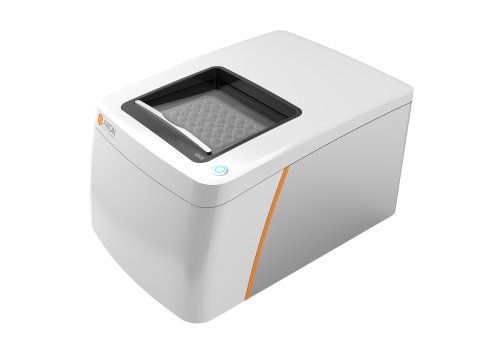
The results show that NAMs successfully captured key mechanisms of neurotoxicity. Pyrethroids and chlorpyrifos-oxon primarily reduced neuronal activity, while endosulfan increased network excitability—findings consistent with established in vivo effects. Microelectrode array (MEA)-based assays performed on Axion Biosystems’ Maestro MEA platform, measuring neuronal firing, bursting, and connectivity, provided mechanistic insight into both acute and developmental neurotoxicity.
Importantly, computational in vitro-to-in vivo extrapolation (IVIVE) models produced human-relevant dose estimates that were generally within a 10-fold range of animal-derived regulatory thresholds, demonstrating strong predictive capability. While not yet fully replacing animal testing, NAMs are gaining traction in regulatory decision-making, providing mechanistic insight and supporting more predictive, human-relevant risk assessments.