Authors: Heather K. Lin, Dejah A. Blake, Ruby Freeman, YuJie Chen, Jaehoon Kim, Andrew M. Johnson, Kory Wells, Abhijay Mudigonda, William Liu, Poonam Yadav, Fanyuan Zeng, Abir Muhuri, Kiyoon Min, Srijon Sarkar, Yuou Wang, Subir Goyal, Ronald Christopher Roberts, Elyse Christensen, Antonio B. Ward, Brad Heller, Paul Chun, Jodi Dougan, Christopher C. Porter, Benjamin G. Barwick, Chrystal M. Paulos, Lily Yang, Anupam Patgiri, Susan Napier Thomas, Edmund K. Waller, and Sarwish Rafiq
Science Translational Medicine, 22 July 2026
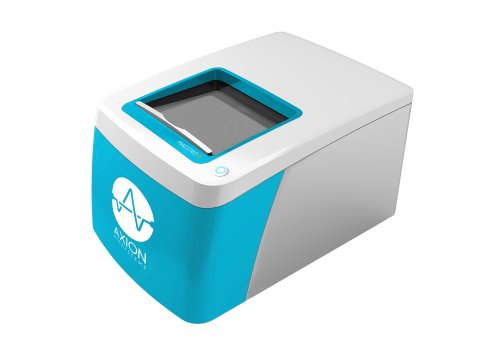
Maestro Z real-time cytotoxicity assays support evaluation of VIPR antagonist-secreting CAR T cell function against VIP-expressing tumor cells.
CAR T cell therapies can be limited by poor starting cell phenotype, metabolic exhaustion, and insufficient tumor infiltration, especially in solid tumors. In this study, researchers investigated the vasoactive intestinal peptide–VIP receptor pathway as an immune checkpoint for CAR T cells and engineered CAR T cells to secrete a short VIPR antagonist peptide. These armored CAR/VIPRa T cells were designed to locally block immunosuppressive VIP signaling while supporting both CAR T cell function and endogenous antitumor immunity.
Using Axion BioSystems’ label-free Maestro Z system, the team measured real-time cytotoxicity against VIP-expressing pancreatic tumor cells and showed that CAR/VIPRa T cells maintained comparable in vitro tumor killing to conventional CAR T cells. Across additional functional, metabolic, and in vivo studies, CAR/VIPRa T cells showed a less terminally differentiated phenotype, improved viability, reduced exhaustion markers, enhanced expansion after repeated antigen stimulation, and improved tumor infiltration. In mouse models of hematological and solid tumors, CAR/VIPRa T cells improved survival and supported recruitment of endogenous T cells into tumors.
Together, the findings show that targeting the VIP-VIPR pathway may help overcome key barriers in CAR T cell therapy by improving product phenotype, metabolic flexibility, tumor infiltration, and engagement of host immunity. This work supports VIPR antagonist-secreting CAR T cells as a promising strategy for generating more durable cell therapies for cancer.