Authors: Mayu Onishi, Akihiro Yamaguchi, Yuka Abe, Taro Sato, Miho Fujishima, Wado Akamatsu, and Kazuyoshi Baba
Journal of Oral Biosciences, 29 January 2026
Scientists use Maestro MEA to uncover GABA-regulated hyperexcitability underlying sleep bruxism.
Sleep bruxism—characterized by involuntary jaw movements during sleep—has been linked to dysregulation of brainstem circuits, yet the underlying neuronal mechanisms remain unclear. In this study, researchers investigated whether altered regulation of GABAergic signaling contributes to circuit-level dysfunction in sleep bruxism (SB).
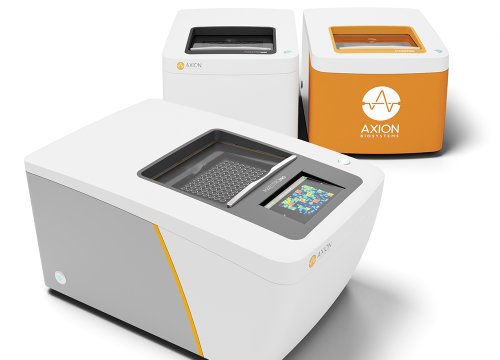
Using patient-derived neurons from three SB lines and matched controls, the team recorded spontaneous network activity with the Maestro MEA platform. Under steady-state conditions, SB and control neurons displayed similar electrophysiological behavior. However, following a media change that reduced extracellular GABA accumulation, SB neurons exhibited a pronounced hyperexcitability phenotype, with increased firing rates compared to controls.
These findings recapitulate previously reported SB-associated hyperexcitability and demonstrate the value of MEA-based assays for detecting disease-relevant changes in neuronal excitability. The study provides new insight into how altered inhibitory regulation may contribute to the pathophysiology of sleep bruxism.