Authors: Ilka Scharkin, Jochen Dobner, Nadine Pierchala, Kristina Bartmann, Ulrike Hübenthal, Farina Bendt, Gabriele Brockerhoff, Andrea Rossi, Ellen Fritsche, Julia Tigges, and Katharina Koch
NeuroToxicology, 20 March 2026
Maestro MEA enables QC-driven functional validation of organoid-derived neural networks with spike sorting.
Human iPSC-derived neuronal models paired with MEA-based readouts offer powerful platforms for studying neurobiology, but variability during differentiation and maturation can impact downstream functional outcomes. In this study, researchers developed a comprehensive quality control (QC) framework spanning the full workflow—from hiPSC banking and neural induction to 3D BrainSphere formation and functional network development on microelectrode arrays—to enable early detection of induction failures and improve reproducibility.
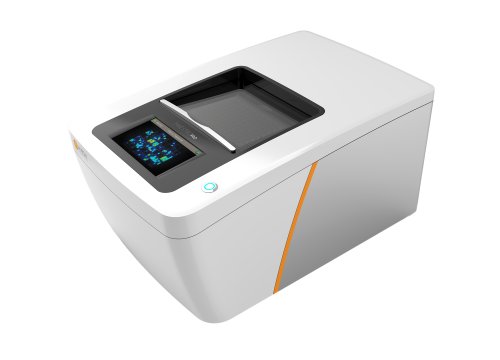
Using Axion BioSystems’ Maestro MEA platform, the team characterized the maturation of electrophysiological activity in 3D neuron–glia BrainSpheres and their organization into functional 2D networks. They demonstrated that early QC metrics could predict later network performance, providing a valuable tool for optimizing differentiation protocols. Functional validation using pharmacological perturbations—including glutamatergic, GABAergic, dopaminergic, and serotonergic compounds—confirmed that these networks exhibit expected responses across major neurotransmitter systems.
Together, this work establishes a scalable, end-to-end QC strategy for hiPSC-derived neural models, supporting more reliable experimental design and interpretation in disease modeling, toxicology, and drug discovery.