Authors: Hayato Miyoshi, Kaoru Morimura, Reiko Hara, Ritsuko Hori, Eriko Watanabe, Nobuyuki Mochizuki, Ayako Kamei, Rika Yamazaki, and Katsuyuki Kazusa
Toxicological Sciences, 19 February 2026
Researchers use the Maestro MEA platform with electrical pacing to enhance maturation of hiPSC-cardiomyocytes and enable early-stage cardiotoxicity assessment.
Human iPSC-derived cardiomyocytes (hiPSC-CMs) are widely used in early drug discovery, but their functional immaturity can limit accurate assessment of cardiac contractility and pharmacological response. In this study, researchers developed a rapid and reproducible approach to improve cardiomyocyte maturation using short-term electrical stimulation, with the goal of enabling more predictive in vitro assays for early-stage drug screening.
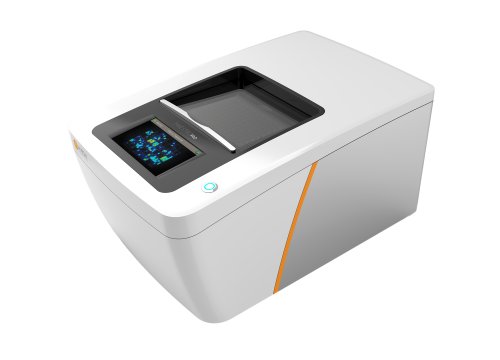
Using Axion’s Maestro Pro MEA platform, the team applied electrical pacing to hiPSC-CMs and evaluated functional maturation through changes in the force–frequency relationship (FFR). After 48 hours of stimulation, the cells exhibited a positive FFR, a hallmark of more mature cardiac tissue, which was reproducible across two independent laboratories. This maturation enabled improved assessment of inotropic drug responses, supporting more accurate evaluation of compound effects on cardiac contractility.
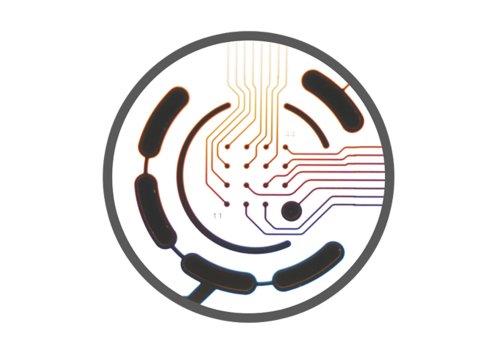
By combining electrical stimulation (pacing) with simultaneous electrophysiological measurements, the assay allows concurrent evaluation of contractile and electrical function in a scalable, human-relevant system. These findings demonstrate a practical approach to overcoming key limitations of hiPSC-CM models and highlight the value of Maestro-enabled pacing assays for improving early-stage cardiotoxicity and contractility screening.